Best Headphones for Glasses Wearers (2026): 8 Picks
By Mike Wayne · · Updated
This article contains affiliate links. If you buy through them we may earn a commission, at no extra cost to you.
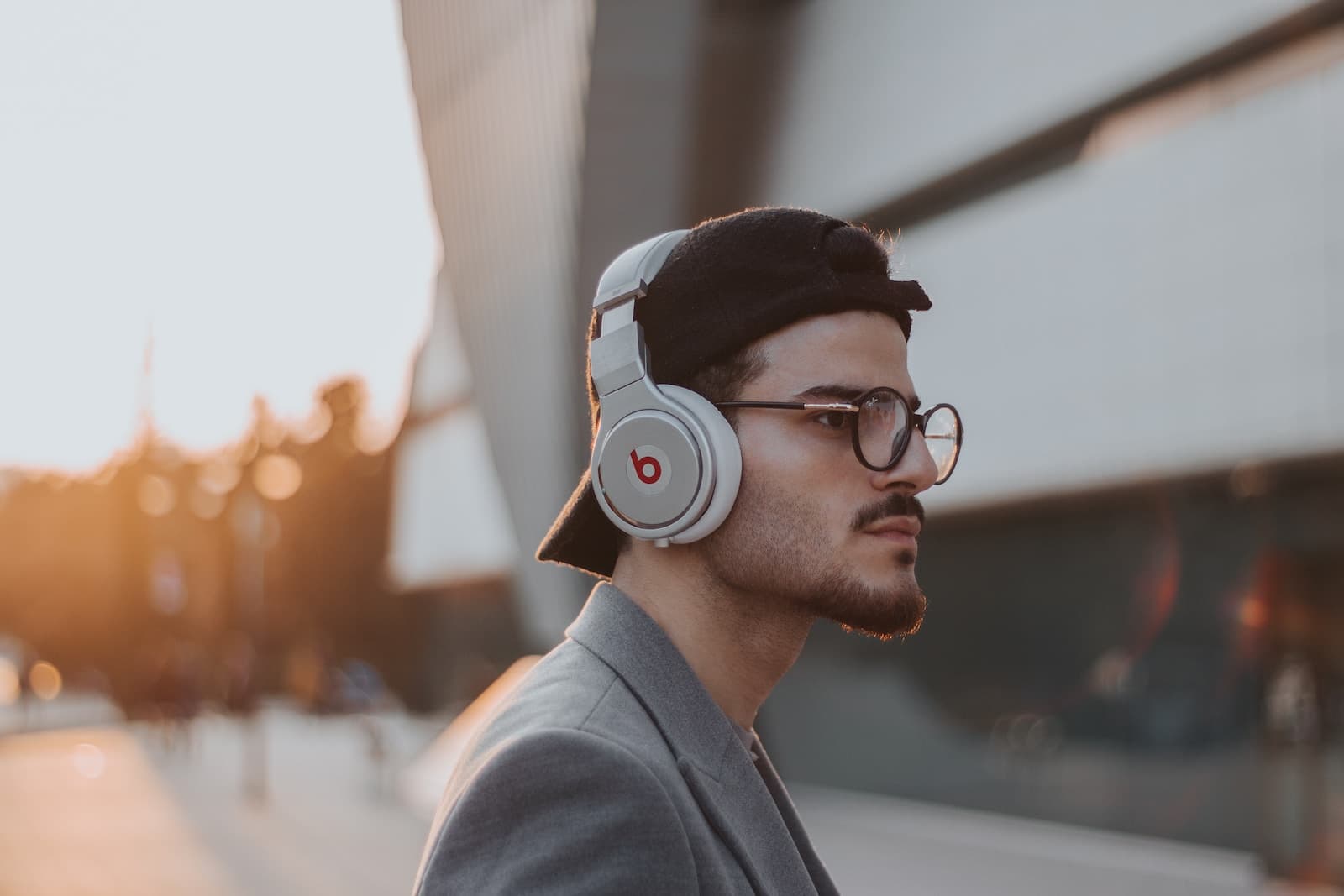
Wearing headphones with glasses shouldn't hurt. The wrong pair pushes your frames into your temples, breaks the seal (so you lose bass and noise cancelling) and leaves you with a headache after an hour. The right pair has gentle clamping force, deep, soft memory-foam cushions that mould around your glasses arms, and enough room inside the earcups for thicker frames – or avoids the problem entirely with an open-ear or in-ear design.
We've updated this guide for 2026 with the newest models, while keeping proven older favourites that are now cheaper.
Best headphones for glasses wearers: quick picks
| Pick | Headphones | Why it's good with glasses |
|---|---|---|
| Best overall | Bose QuietComfort Ultra Headphones | Plush cushions, light clamp, class-leading noise cancelling |
| Best value noise cancelling | Bose QuietComfort SC | Same comfort-first QC design, usually far cheaper |
| Best sound & features | Sony WH-1000XM6 | Soft memory-foam cups, great sound and ~30 h battery |
| Best budget premium | Sony WH-1000XM4 | Light, lower clamp, big discounts now |
| Best under $100 | Anker Soundcore Life Q30 | Large oval cups and memory foam at a budget price |
| Best open-ear | Shokz OpenRun Pro 2 | Nothing presses on your frames or ears |
| Best for audiophiles | Sennheiser HD 800 S | Huge open-back cups and very low clamping force |
| Best earbuds | Sony WF-1000XM5 / WF-1000XM6 | Zero contact with your glasses |
| Best for iPhone | Apple AirPods Pro 3 / AirPods Pro 2 | Seamless with Apple devices, no frame pressure |
Best overall: Bose QuietComfort Ultra Headphones
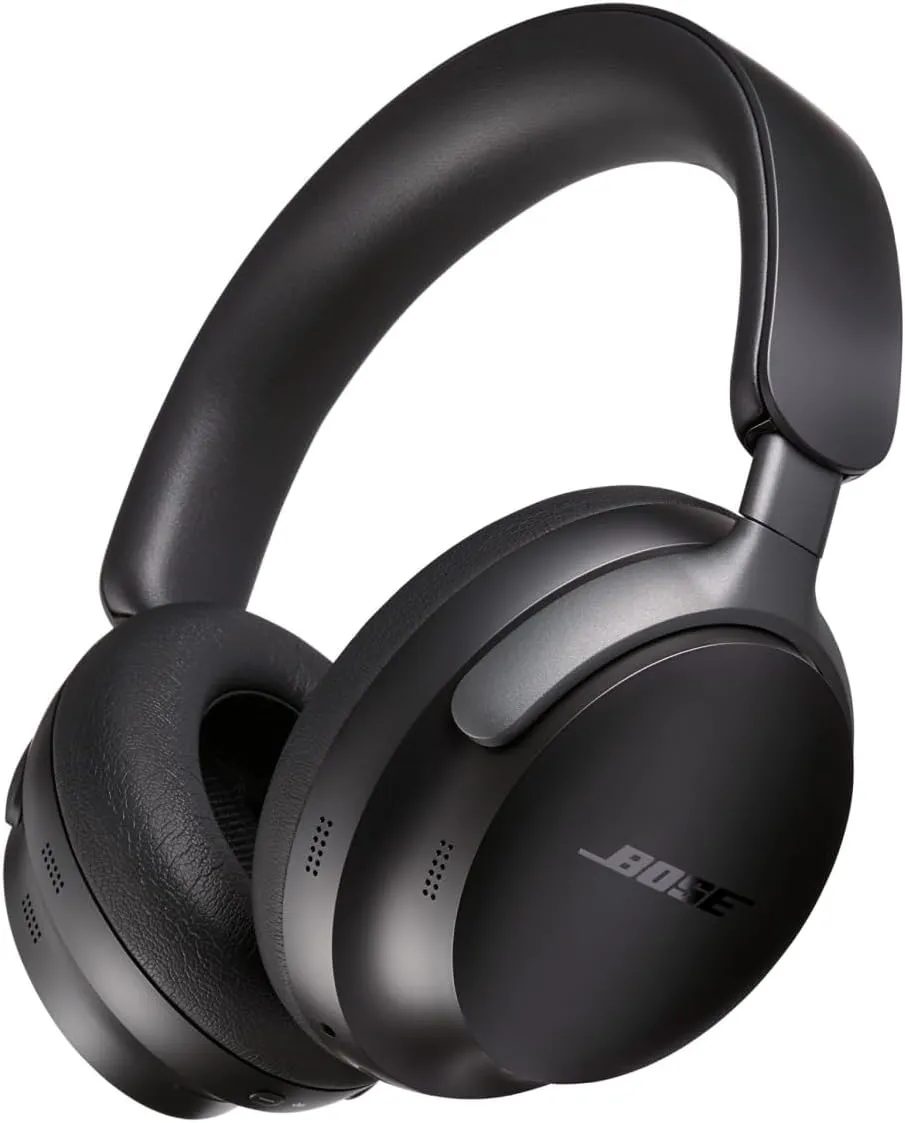
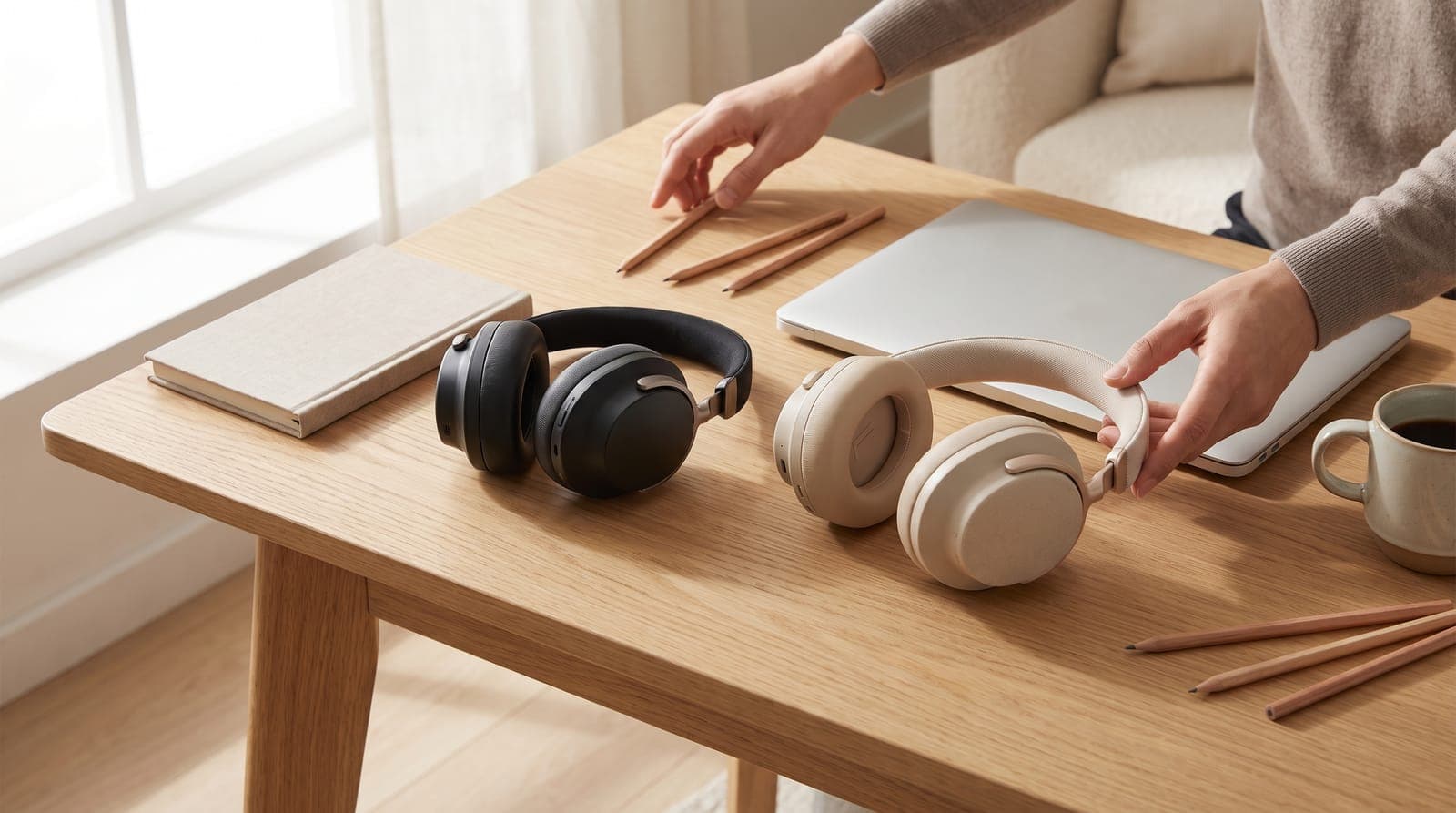
Bose's flagship is one of the most comfortable noise cancelling headphones you can buy, which is exactly what glasses wearers need. The light clamp and plush, deep cushions seal around your frames rather than crushing them, and the noise cancelling is among the best available. The original model offers up to 24 hours of battery; the 2nd Gen (launched September 2025 at $449) raises that to around 30 hours and adds a Cinema mode – but the 1st Gen is often heavily discounted and just as comfortable. Read our full QuietComfort Ultra (2nd Gen) review.
Check Bose QuietComfort Ultra Headphones 2nd Gen price on Amazon
Best value noise cancelling: Bose QuietComfort SC
The QuietComfort SC is the standard Bose QuietComfort Headphones bundled with a soft case, and it's usually much cheaper. You get the same low clamping force and soft protein-leather cushions that make Bose so comfortable with glasses, plus excellent noise cancelling and 24-hour battery life. Read our full Bose QuietComfort SC review for details.
Best sound and features: Sony WH-1000XM6
Sony's latest flagship has soft memory-foam earcups that create a good seal around most frames, excellent noise cancelling, a detailed sound and around 30 hours of battery life (about $450 at launch). It's a little snugger than the Bose, so owners with thick acetate frames sometimes find it tiring over several hours – if comfort is your priority, choose Bose; if sound quality and features matter most, choose Sony. Our Sony WH-1000XM6 vs Bose QuietComfort Ultra comparison goes deeper.
Check Sony WH-1000XM6 price on Amazon
Best budget premium: Sony WH-1000XM4
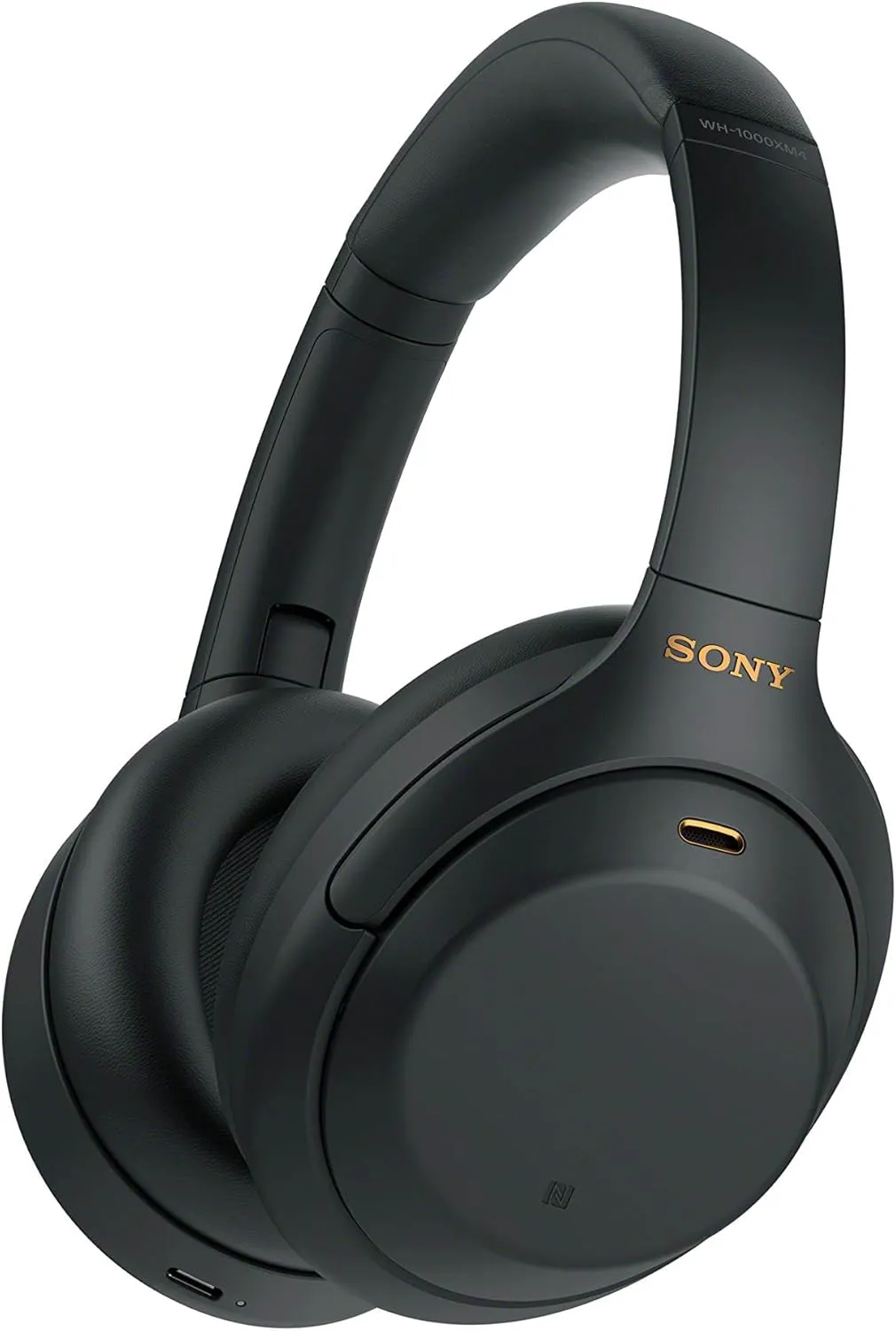
Two generations old but still excellent, the XM4 is now far cheaper than Sony's latest models. It's light with a relatively gentle clamp, has strong noise cancelling and a warm, bass-rich sound – a great way to get flagship comfort for less.
Best under $100: Anker Soundcore Life Q30
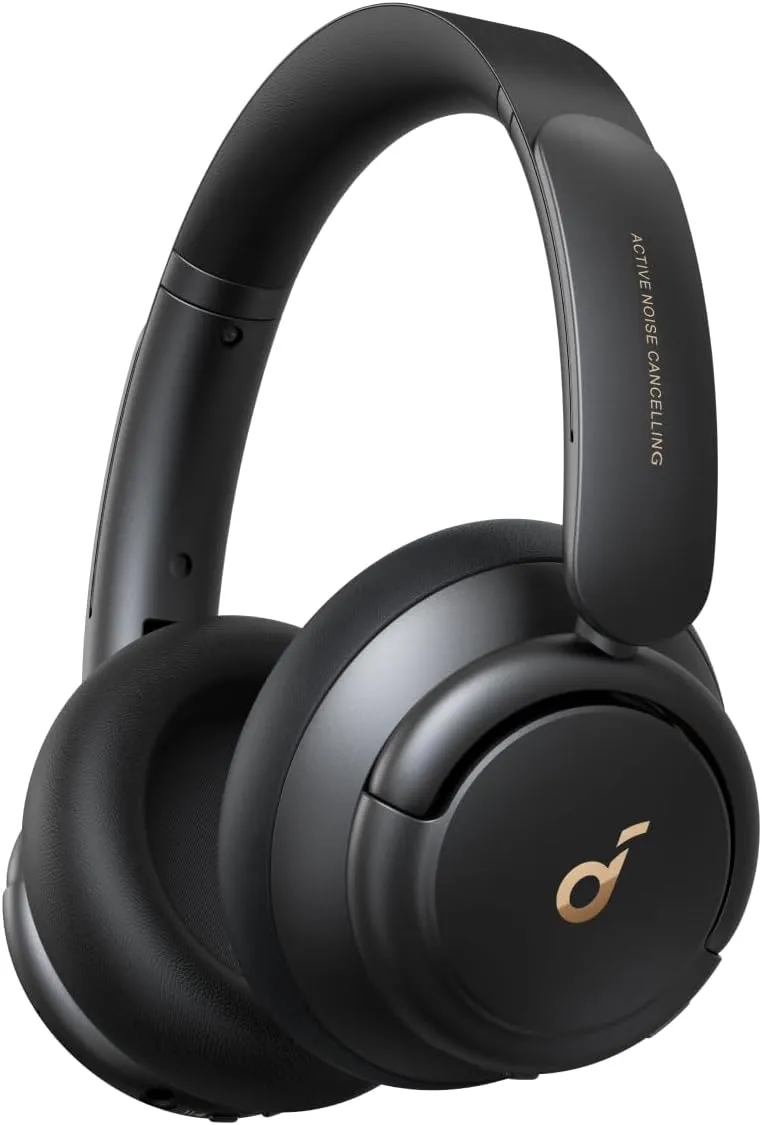
Don't let the price fool you. The Life Q30 has large oval earcups and memory-foam padding that leave room for glasses arms, active noise cancelling, app EQ and a very long battery life (up to around 40 hours with noise cancelling on). It's the best way to get comfortable noise cancelling on a tight budget.
Best open-ear: Shokz OpenRun Pro 2
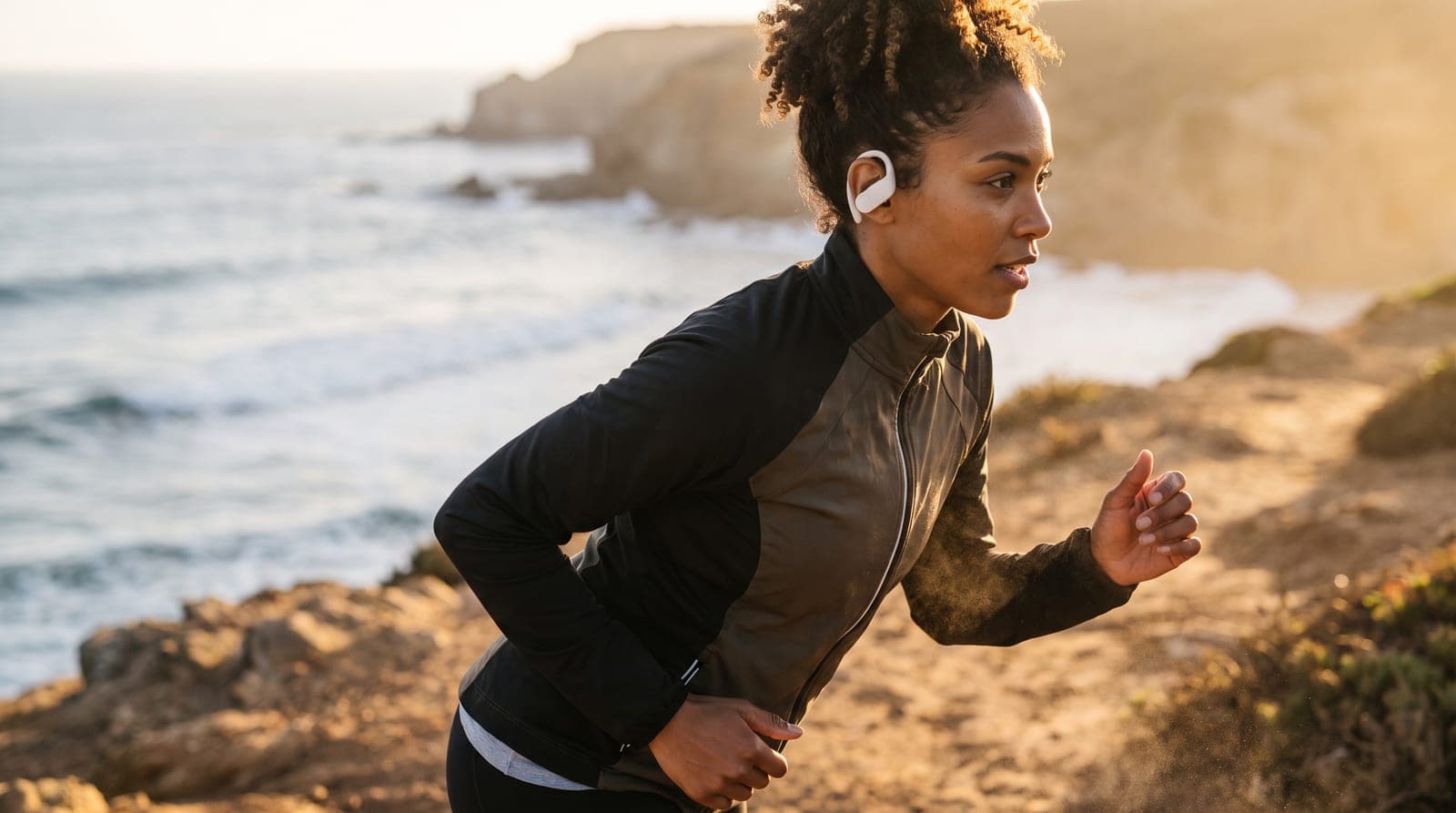
If any over-ear headphone gives you temple pain, skip them altogether. Bone- and air-conduction headphones like the Shokz OpenRun Pro 2 sit in front of your ears, so nothing presses on your frames at all. They won't block noise, but they're ideal for running, cycling, walking and all-day wear at a desk where you need to hear what's around you.
Check Shokz OpenRun Pro 2 price on Amazon
Best for audiophiles: Sennheiser HD 800 S
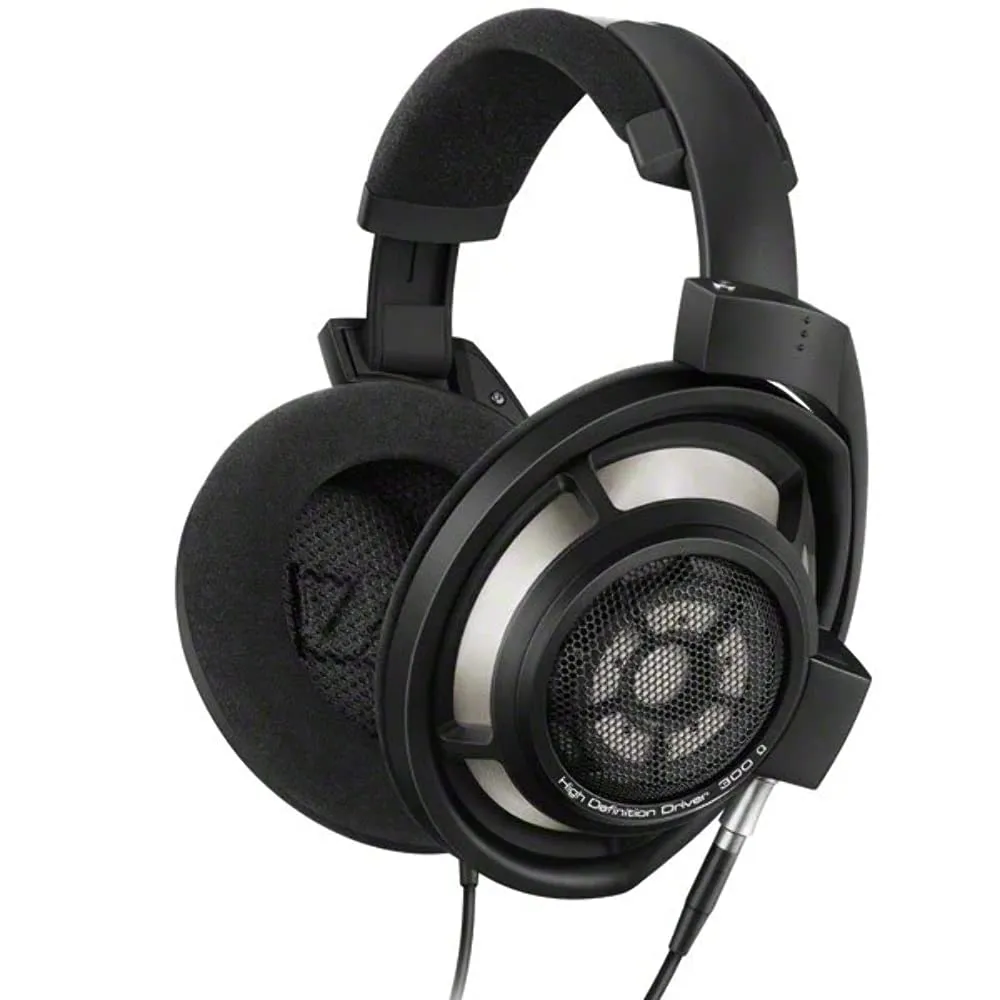
For home listening, these open-back reference headphones deliver a vast soundstage and incredible detail. Their huge earcups surround your ears without touching your glasses arms, and the clamping force is very light. You'll need a good headphone amplifier, and they don't block outside noise – these are for serious listening at home.
Best earbuds: Sony WF-1000XM5 / WF-1000XM6
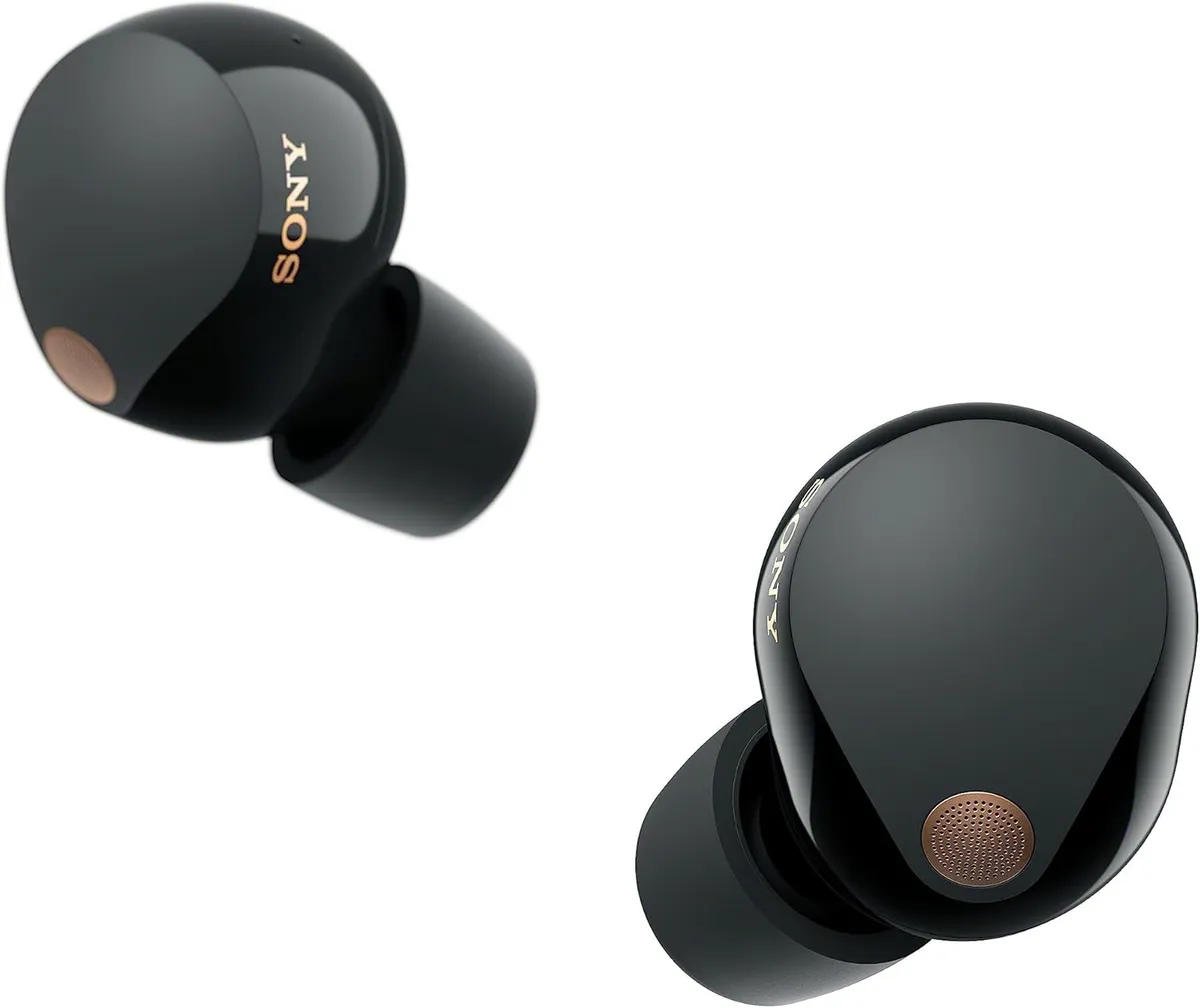
Earbuds solve the glasses problem completely because nothing touches your frames. The WF-1000XM5 offers excellent noise cancelling and sound and is now widely discounted. Sony's newer WF-1000XM6 (February 2026, $329.99) is slimmer, with stronger noise cancelling and improved comfort, if you want the latest model.
Check Sony WF-1000XM6 price on Amazon
Best for iPhone: Apple AirPods Pro 3 / AirPods Pro (2nd generation)
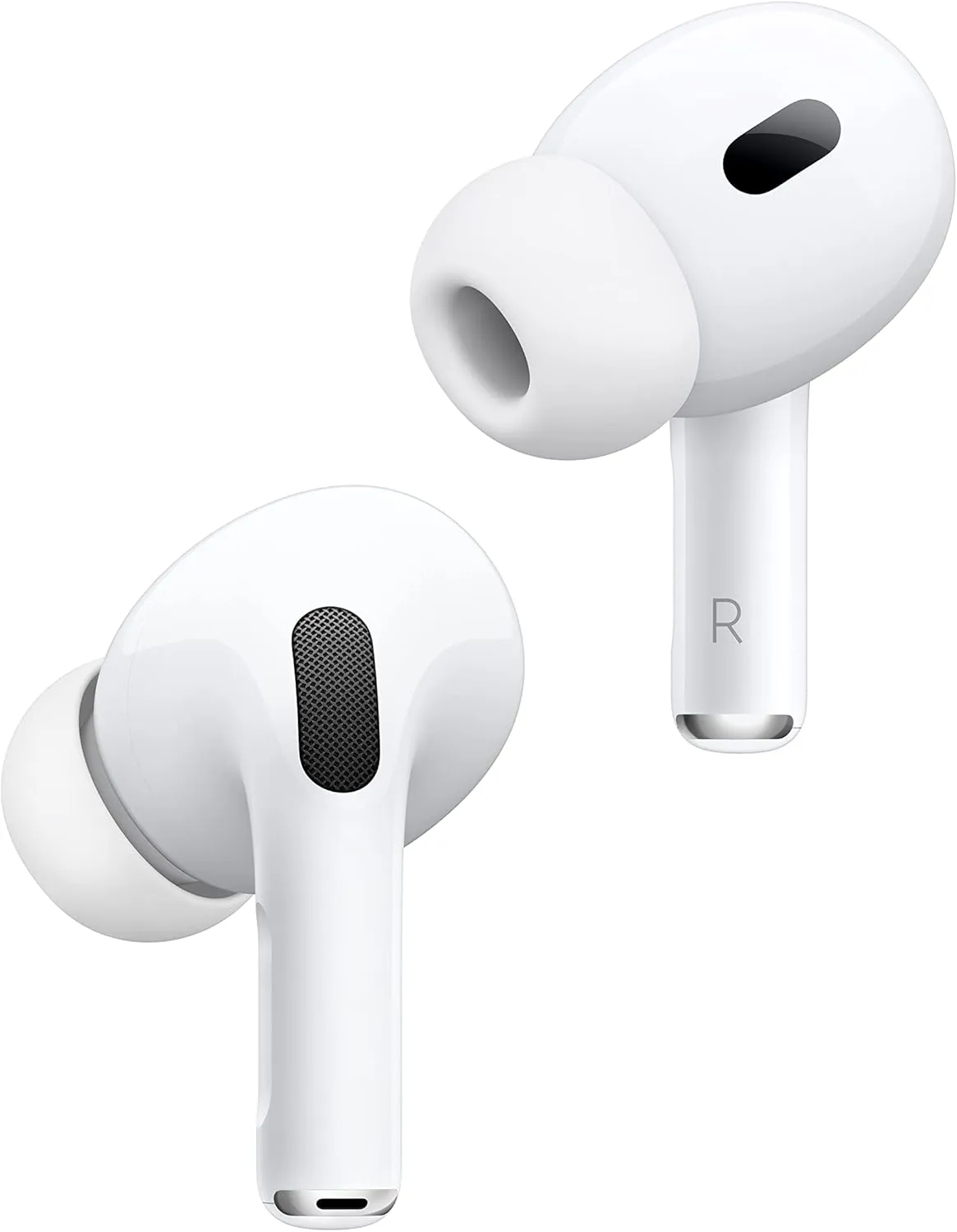
For iPhone owners, AirPods Pro are the easiest choice: instant pairing, automatic switching between Apple devices, Spatial Audio and effective noise cancelling – with no pressure on your glasses. The AirPods Pro 3 is the newest model (see our AirPods Pro 3 review); the AirPods Pro 2 is often discounted and still excellent.
Check Apple AirPods Pro 3 price on Amazon
Factors to Consider
When choosing headphones, consider:
- Sound quality and preferred sound profile
- Comfort and fit
- Battery life (for wireless options)
- Noise cancellation capabilities
- Additional features like multi-device pairing or water resistance
- Your budget
Remember, the “best” headphones are the ones that suit your specific needs and preferences. Whether you’re a bass-head, a classical music lover, or somewhere in between, there’s a perfect pair out there for you.
Special Considerations for Glasses Wearers
Wearing headphones with glasses presents unique challenges that many manufacturers often overlook. Understanding these key factors will help you make an informed decision:
Clamping Force The pressure your headphones exert on your temples can make or break your listening experience. While some clamping force is necessary to keep headphones secure, excessive pressure against glasses frames can cause severe discomfort. Look for headphones with:
- Adjustable headbands that let you fine-tune the pressure
- Spring-loaded arms that automatically adjust to your head shape
- Reviews mentioning “gentle clamping” or “lightweight feel”
Padding Materials Not all ear cushions are created equal when it comes to glasses compatibility:
- Memory Foam: The gold standard for glasses wearers. It creates a custom seal around your frames and redistributes pressure evenly.
- Protein Leather: Offers good seal but can create heat build-up around glasses frames.
- Velour: Extremely soft and breathable, but may not provide as strong a seal for noise isolation.
- Hybrid Materials: Some manufacturers use cooling gel with memory foam, ideal for long sessions.
Ear Cup Design The shape and size of ear cups significantly impact glasses comfort:
- Oval-shaped cups typically work better than circular ones, providing more space around glasses arms
- Deeper ear cups prevent glasses from pressing against your ears
- Angled drivers can reduce pressure points where glasses meet your temples
Frame Compatibility Your choice of glasses frames affects headphone comfort:
- Thin metal frames typically cause fewer issues than thick plastic ones
- Straight temple arms work better than curved ones
- Higher-sitting frames may experience less interference
- Consider flexible frame materials that can adapt to pressure
Tips and Tricks for Maximum Comfort
Perfect Positioning Techniques
- Place your headphones slightly higher on your head than normal to lift pressure off your glasses
- Position glasses frames slightly higher on your nose to rest above the ear cushions
- Try sliding your glasses’ arms slightly forward to sit in front of the ear cushions
- Experiment with tilting your glasses slightly upward at the back
Breaking In Your Headphones
- Stretch the headband gently using books or boxes slightly wider than your head
- Leave stretched overnight, but never exceed the headphones’ natural flexibility
- Use the “two-finger rule”: you should be able to slide two fingers under the ear cups
- Gradually increase wearing time to allow padding to conform to your glasses
Modifications for Better Fit
- Add extra padding to the headband to lift pressure off your ears
- Consider replacing stock ear pads with deeper or softer alternatives
- Use small foam strips where glasses meet ear cups
- Try silicon sleeves for glasses arms where they contact headphones
Troubleshooting Common Issues
Pressure Point Solutions
- If pressure occurs at temples: Adjust headband width or try padding modification
- For top-of-ear pain: Reposition glasses arms above or below ear cups
- When experiencing bridge of nose discomfort: Adjust glasses position first
- For general fatigue: Take 5-minute breaks every hour
Preventing Glasses Damage
- Check for wear marks on glasses frames regularly
- Use protective coating on frame contact points
- Clean both glasses and headphones regularly to prevent grit buildup
- Store glasses and headphones separately when not in use
When to Consider Alternatives
- If discomfort persists after trying multiple headphones, consider:
- In-Ear Monitors (IEMs) which bypass glasses completely
- Bone conduction headphones that sit in front of your ears
- Lightweight on-ear options instead of over-ear designs
- Custom-molded earphones for ultimate comfort
Emergency Fixes
- Temporary relief using small bits of soft foam at pressure points
- Using athletic tape on glasses arms where they meet headphones
- Adjusting glasses nose pads to alter frame position
- Using silicon ear hooks to keep glasses secure while wearing headphones
Remember, finding the perfect combination of glasses and headphones might take some trial and error. Don’t hesitate to return headphones that cause discomfort – your listening experience should be enjoyable, not painful.
Keep your headphones and glasses in good shape with our guide to cleaning headphones and earbuds, and if you're choosing between wired and wireless, read are wireless headphones worth it?.